Quick Facts
- Category: Hardware
- Published: 2026-05-03 22:45:17
- Anthropic Finalizes Record $30B Funding Round at $900B Valuation, Sources Confirm
- From Side Ventures to Global Strategy: Amani Samba’s Entrepreneurial Transformation
- Mars' Shalbatana Vallis: Unraveling the Red Planet's Watery Past
- 10 Critical Facts About the CRPx0 Malware That Uses Free OnlyFans as a Lure
- Urgent: Major Linux Distributions Release Critical Security Patches – Update Now
The Surprising Culprit Behind Idle CPU Temperatures
Imagine this: you've just completed a premium PC build, featuring an RTX 50-series GPU and a 360mm all-in-one liquid cooler. You expect icy-cold performance, yet your CPU idles at a blistering 85°C. Your first instinct might be to blame a botched thermal paste application or a faulty pump. However, the real culprit is often far simpler: one fan fighting against the rest of your system's airflow.
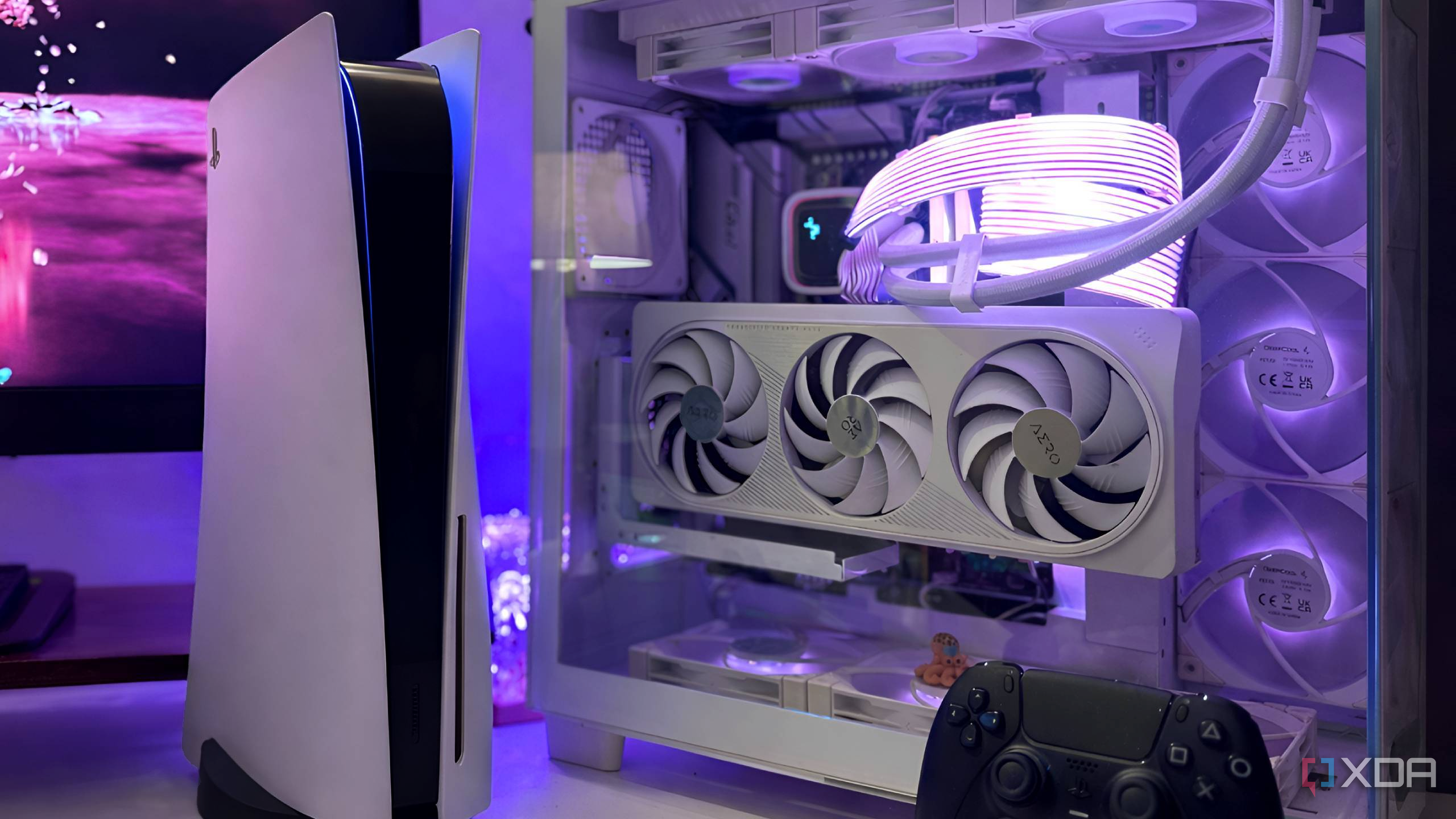
This hidden conflict creates turbulence, trapped heat, and dramatically reduces cooling efficiency. In this article, we'll dive into why this happens, how to diagnose it, and what you can do to ensure every fan works in harmony.
Understanding Airflow Direction
Every case fan has a designated airflow direction, typically indicated by arrows on the frame. Intake fans pull cool air into the case, while exhaust fans expel hot air. For optimal cooling, all fans should follow a consistent path—generally front/bottom intake, rear/top exhaust. When one fan is oriented opposite to the rest, it creates a conflict.
For example, an exhaust fan mounted on the front panel will suck hot air out, but simultaneously starve the CPU cooler of fresh incoming air. Similarly, an intake fan placed at the rear can blow hot exhaust air back inside. This conflict forces the AIO or CPU cooler to work against the flow, causing temperatures to spike.
Common Fan Orientation Mistakes
- Mismatched front and rear fans: Installing one fan as intake while another at the same level is exhaust.
- Top fans fighting each other: Mixing intake and exhaust on the top panel creates a dead zone.
- Radiator fan direction error: Setting an AIO radiator fan to intake when the case's top fans are set to exhaust (or vice versa) can trap heat around the CPU.
Diagnosing a Fan Conflict in Your Build
If your CPU is hitting 85°C at idle despite top-tier cooling, the first step is to visually check each fan's orientation. Look for the airflow arrows on the fan's side or hub. Alternatively, use a piece of tissue paper or smoke near the fan to see which direction air moves.
Signs of Airflow Turbulence
- Hot air recirculating inside the case (you can feel warm air near intake vents).
- Unusual fan noise (whistling or buzzing due to disrupted airflow).
- Temperature disparities between components (e.g., GPU cool but CPU blazing hot).
Tools to Verify Fan Direction
- Software monitoring: Tools like HWMonitor or Fan Control let you see RPMs, but not direction—still useful for checking if a fan is spinning properly.
- Visual indicators: Many fans have a sticker showing which way the air flows. The side with support struts is usually the exhaust side.
- Smoke or paper test: Hold a piece of paper close to the fan grill; if it's sucked toward the fan, it's intake; if blown away, it's exhaust.
How to Fix and Prevent Fan Fighting
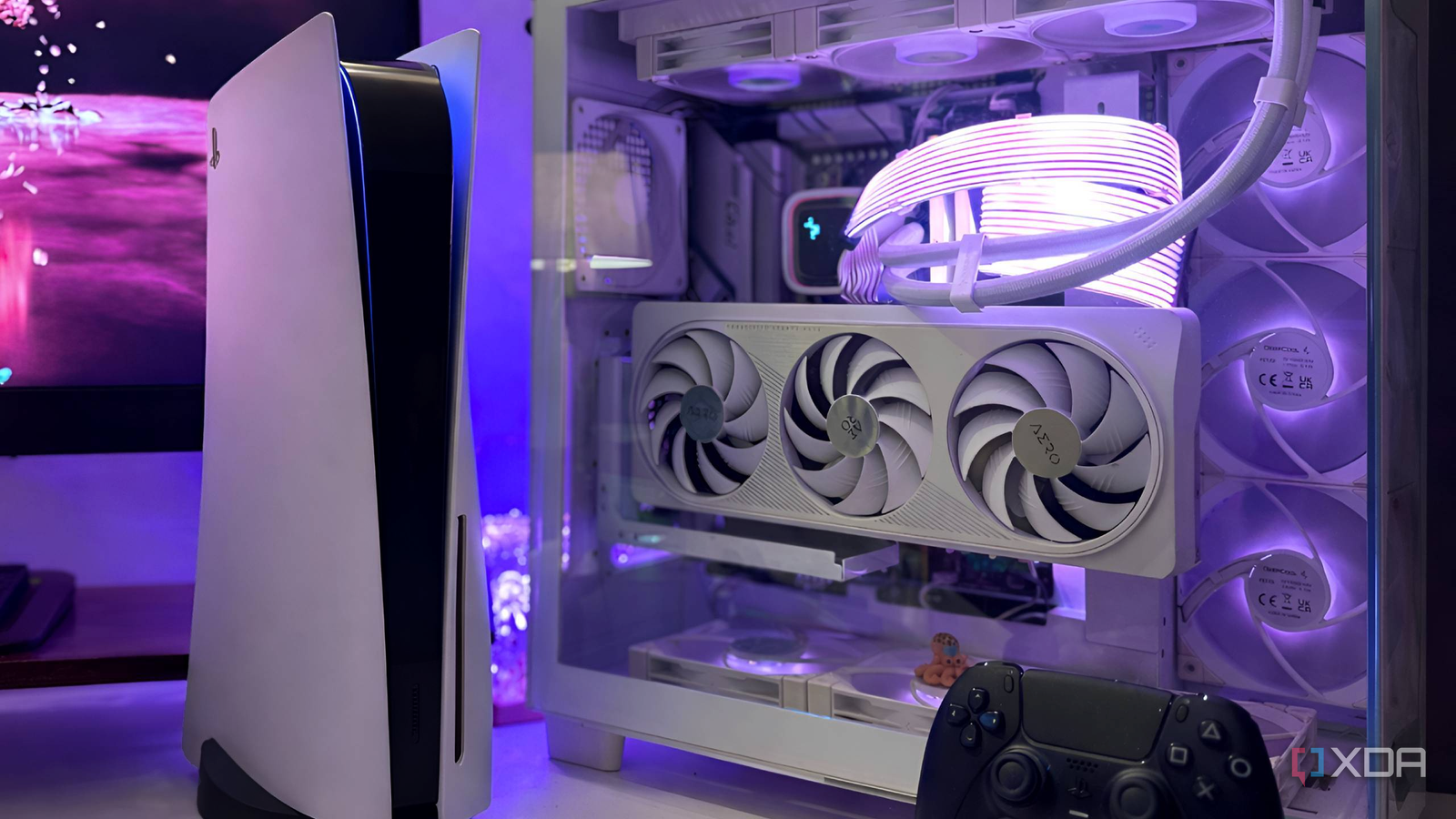
Once you identify the misoriented fan, simply flip it 180 degrees so its airflow matches the rest of your system's intended path. For most fan mounts, the screws can be removed and the fan reattached from the opposite side of the bracket.
Best Practices for Fan Placement
- Front and bottom: intake — pull cool air in.
- Rear and top: exhaust — push hot air out.
- AIO radiators: If mounted on top, set fans as exhaust; if front-mounted, set as intake (or push/pull).
- Maintain positive air pressure: Slightly more intake than exhaust to reduce dust buildup.
Using Fan Hubs and PWM Control
Even when all fans face the correct direction, speed mismatches can cause minor conflicts. Use a PWM fan hub controlled by your motherboard's BIOS to synchronize speeds. Set a smooth fan curve that ramps up with CPU temperature, ensuring all fans increase or decrease together. This prevents one fan from running at max while another idles, creating pressure imbalances.
Beyond Fans: Other Overlooked Cooling Issues
While fan orientation is a frequent culprit, it's not the only one. Check that your AIO pump is properly seated and running at the correct speed (monitor via BIOS or software). Also ensure thermal paste is applied evenly—though in your scenario, a single fan is likely the hero turned villain.
Finally, inspect your case cable management. Messy cables can obstruct airflow and cause turbulence, mimicking a fan conflict. Use cable ties to route wires neatly behind the motherboard tray.
By addressing fan direction and airflow consistency, you can transform a 85°C idle into normal 30-40°C temperatures—all without replacing a single component.